Whether you’re moving, downsizing, or simply running out of room, our central Melbourne storage solution connects you with secure, strata-owned units—right where you need them. Discover practical tips to maximise your space, protect your belongings, and make storage stress-free.
Choosing the Right Storage Unit
Picking the right unit size is key to saving space and money. Here’s a quick breakdown to help you decide:
📦 Storage Unit Size Guide
| Size Category | Approx. Area | What You Can Store | Average Cost Range (AUD/week) |
|---|---|---|---|
| Small | 1–3 m² | Suitcases, archive boxes, documents, seasonal items, small appliances | $25–$45 |
| Medium | 4–9 m² | 1–2 bedroom home furnishings, whitegoods, mattresses, bikes, business stock | $50–$90 |
| Large | 10 m² and above | 3–5 bedroom home contents, full office setups, commercial inventory, bulky equipment | $100–$200+ |
💡 Tip: Before booking, take stock of what you truly need to store. A quick declutter can help you choose a smaller unit—and save on costs.
Maximising Storage Efficiency
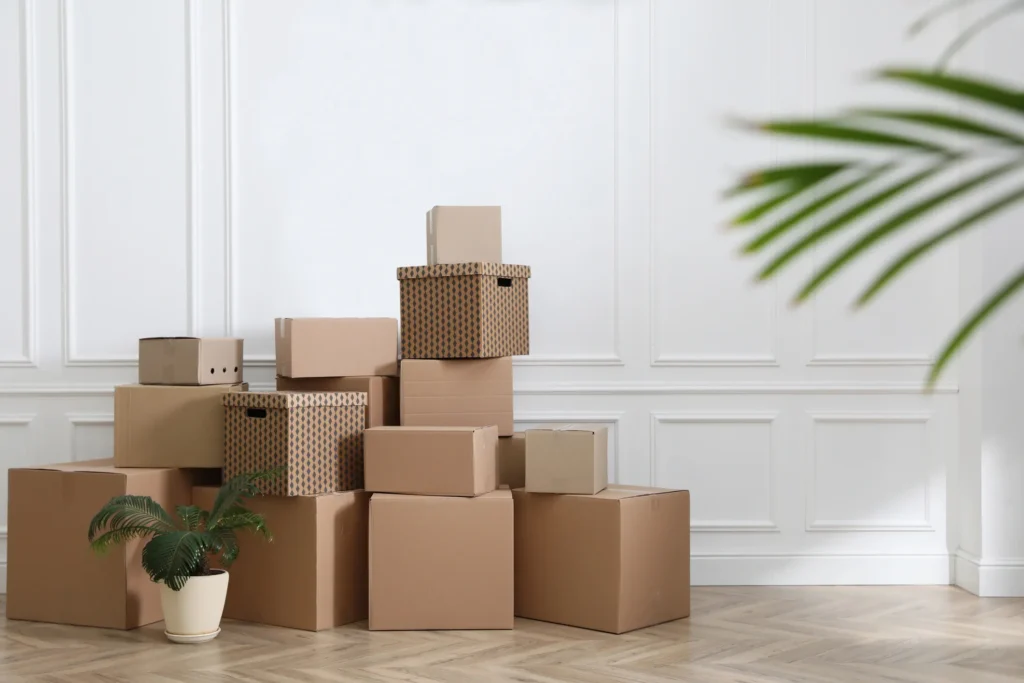
Smart packing makes all the difference. Here’s how to get the most out of your unit:
Stack & Label
Place heavier boxes at the bottom and lighter, fragile ones on top. Label everything clearly—so you’re not digging through mystery boxes later.
Create an Aisle
Leave a narrow walkway inside your unit. It’ll save you from having to unpack everything just to reach the back.
Disassemble Furniture
Break down items like bed frames and tables where possible. It saves space and helps prevent scratches and damage during storage.
🚪 Access Features: Doors & Windows
When selecting a storage unit, consider the access type. Units with roller doors offer wide, easy access—ideal for bulky items or frequent loading.
Swing doors are more compact and suitable for smaller units or indoor spaces.
Some units may include windows, which can provide ventilation and natural light. These are rare in our strata-based storage and may command a premium due to their added convenience and high demand.
However, windows can also expose stored items to sunlight, which may cause fading, warping, or heat damage if not properly covered and stored—especially for sensitive items like electronics, artwork, or fabrics. For long-term storage, windowless units are generally preferred for better privacy, security, and climate control.